
Alternatives to Self-Healing Integrations
Explore the best alternatives and competitors to Self-Healing Integrations.
Explore 20 alternatives to Self-Healing Integrations. Compare features, pricing, and find the best fit for your needs.

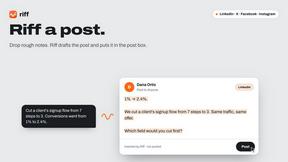
Riff
Riff writes replies, DMs and posts with Gemini Nano inside Chrome. Runs on your computer, no account or API key, and never posts for you.


Luminus Tools
A fast, privacy-first suite of online calculators, financial desks, health trackers, and developer utilities running completely in your browser withou

GetYouTubeTranscript
Free YouTube transcripts on the web, a Chrome extension, and an API + MCP server so AI assistants can read YouTube.

layahost
Moderation, routing, intent and scoring for any text over one Jev-compatible API, hosted in the EU.

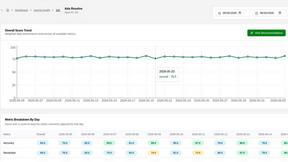



amaze.directory
A directory of AI tools where every listing was opened and used by a person first. Search by job, filter by price, get the link.

benchmark.directory
146 AI tools across 20 categories, indexed by the job they do. Every listing earned its place. None of them paid for it.

saasgrow.ai
Find SaaS growth tools worth your time. Every tool is reviewed before it's listed, so the shortlist is already made for you.

Tools Network
Tools Network is your one-stop hub for discovering the best AI tools online. We curate and organize the web's top AI-powered tools.


Built2WinWeb AI SEO
AI‑ready websites, WebAgentScan SaaS, and Indexing Pack. MCP, A2A, llms.txt — hand‑coded PHP, complete ownership, flat‑fee, free quote.
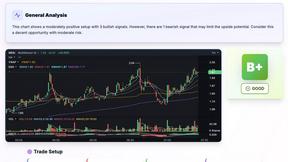
SnapPChart
SnapPChart grades a trading chart screenshot A+ to F, with an entry, stop, targets, and risk/reward. Works on stocks, forex, crypto, futures.



Free Gemini Omni
Create, remix, and edit cinematic AI videos from text, images, audio, and video prompts.
About Self-Healing Integrations Alternatives
Self-Healing Integrations is an innovative solution designed to seamlessly connect various systems through an agentic platform, allowing businesses to streamline their operations and minimize the complexities associated with traditional integrations. This product falls under the AI Assistants category, leveraging advanced technology to automate and manage the integration lifecycle, ensuring that connections remain functional and efficient over time. Users often seek alternatives to Self-Healing Integrations for a variety of reasons, including pricing structures, specific feature requirements, and compatibility with existing platforms. When considering an alternative, it's essential to evaluate factors such as ease of use, the extent of automation offered, scalability, and the level of ongoing support provided. A robust alternative should not only address current integration needs but also adapt to future demands, ensuring a sustainable and cost-effective solution.
FAQs about Self-Healing Integrations Alternatives
What is Self-Healing Integrations?
Self-Healing Integrations is a cutting-edge integration solution that allows businesses to connect various systems using an advanced agentic platform. It automates the integration lifecycle, which means it not only builds integrations but also ensures they remain operational and effective over time, reducing the burden of manual maintenance.
Who is Self-Healing Integrations for?
Self-Healing Integrations is designed for businesses of all sizes that require seamless connectivity between different software systems, channels, or partners. It is particularly beneficial for organizations that frequently introduce new integrations or require ongoing adjustments to existing ones, as it minimizes the typical integration overhead.
Is Self-Healing Integrations free?
Self-Healing Integrations is not a free service; it operates on a pricing model that reflects its advanced capabilities and ongoing support. Businesses can expect a cost structure that accounts for the efficiency gained through automated lifecycle management, ultimately reducing the overall integration tax.
What are the main features of Self-Healing Integrations?
The main features of Self-Healing Integrations include automated integration lifecycle management, real-time monitoring of connections, and the ability to adapt to ongoing changes without manual intervention. This ensures that integrations remain functional and responsive to evolving business needs.