
Pipeline vs Playwriter
Side-by-side comparison to help you choose the right tool.

Pipeline
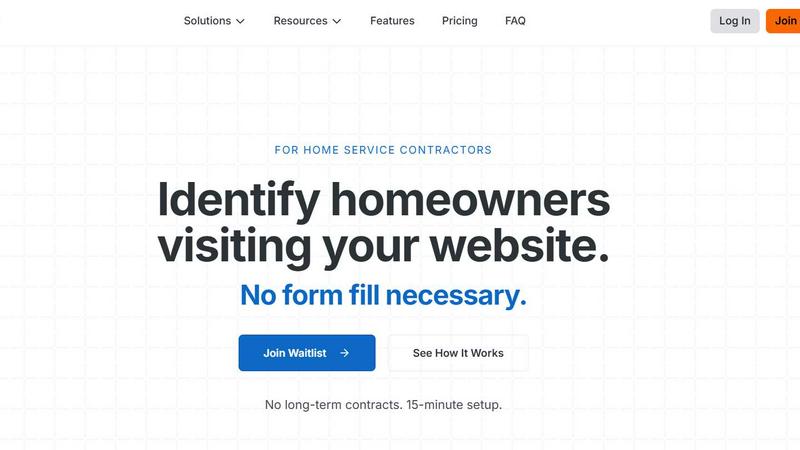
Stop losing leads by instantly identifying anonymous website visitors without a form.
Last updated: February 28, 2026

Visual Comparison
Pipeline
Playwriter

Overview
About Pipeline
Pipeline is the game-changing intelligence layer for home service contractors, built to solve the industry's most expensive blind spot: anonymous website traffic. While you're pouring budget into Google Ads and SEO, the harsh reality is that 96% of visitors leave without a trace, vanishing to your competitors. Pipeline flips the script. It's a proprietary identification engine that reveals the name, address, and email of homeowners browsing your site—no form fill required. On average, Pipeline identifies 40% of your total website traffic, transforming a mere 4% form conversion rate into a 44% lead capture rate. That's an 11x multiplier on the names, numbers, and addresses flowing directly into your CRM. Designed exclusively for HVAC, plumbing, roofing, electrical, and landscaping businesses, Pipeline integrates seamlessly with tools like ServiceTitan and HubSpot to automate next-step actions: sending emails, queuing postcards, updating CRMs, and triggering SMS campaigns. It’s not just another software; it’s the critical missing link between your paid traffic and a packed appointment schedule.
About Playwriter
AI agents cannot browse the web properly. They either have no browser access, or they get a fresh Chrome with no logins, no extensions, and instant bot detection. Playwriter gives them your actual browser session instead. One Chrome extension, full automation API, everything you are already logged into. Includes accessibility snapshots (5-20KB instead of 100KB+ screenshots), a debugger with breakpoints, live code editing, network interception, and video recording. Works with any MCP client: Cursor, Claude, VS Code, and more. Open source, MIT licensed.